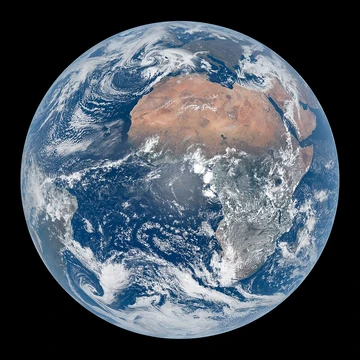
Plain
Flat expanse of land covering over one-third of Earth's land area.

Kevstan · CC BY-SA 4.0
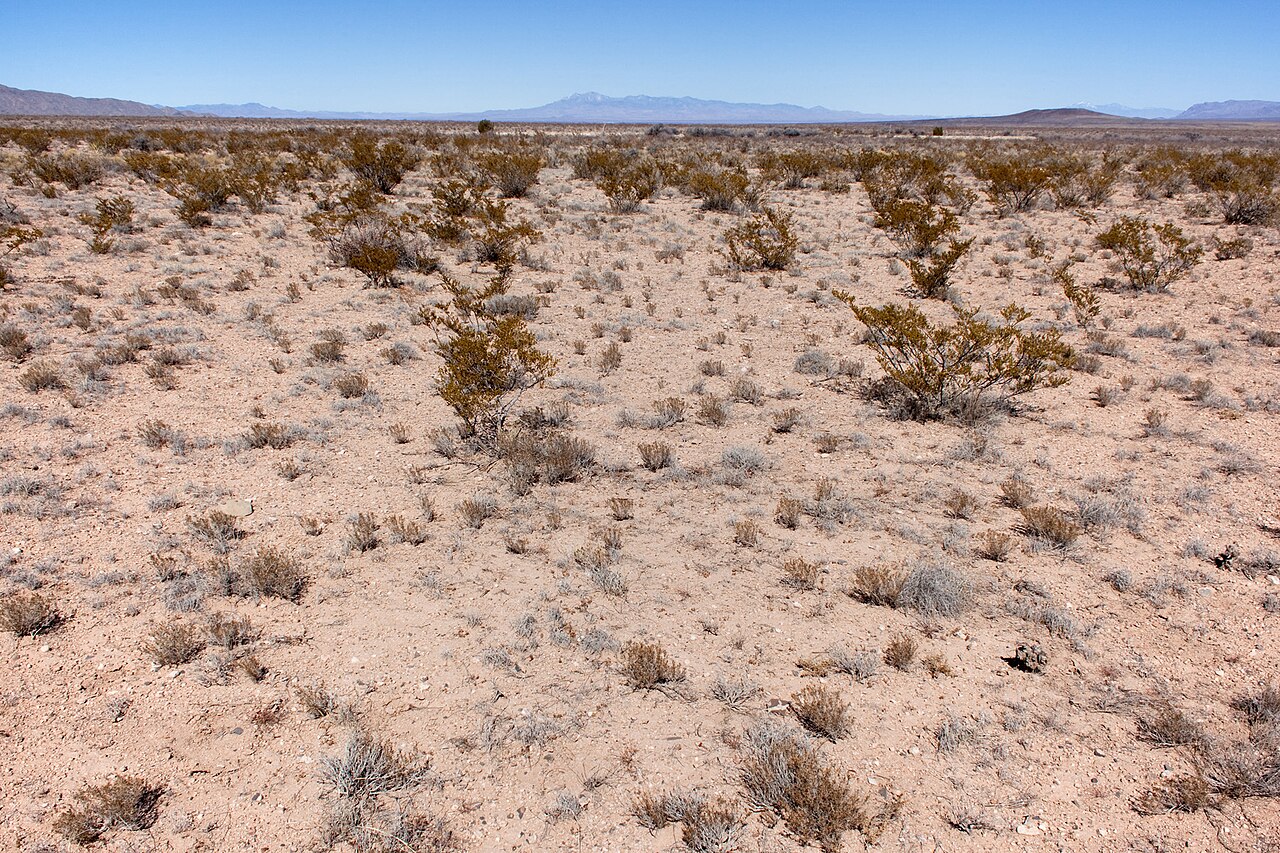
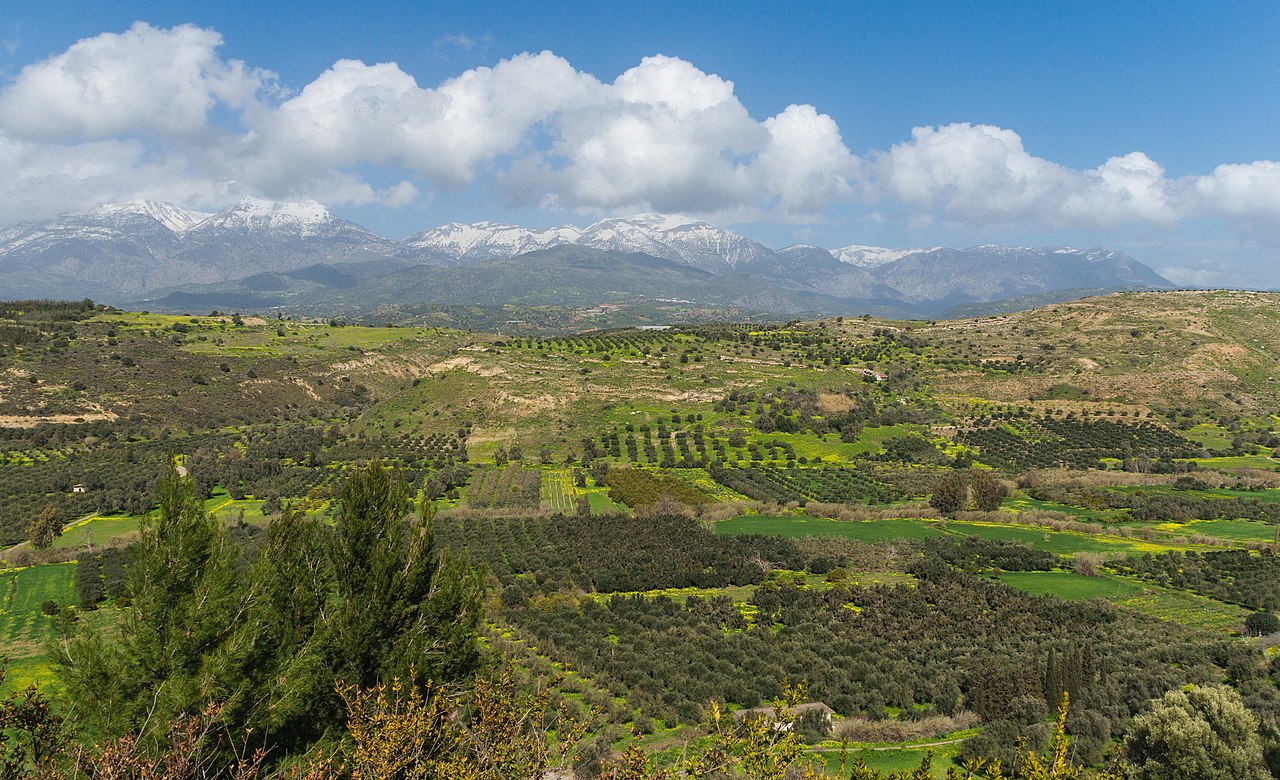
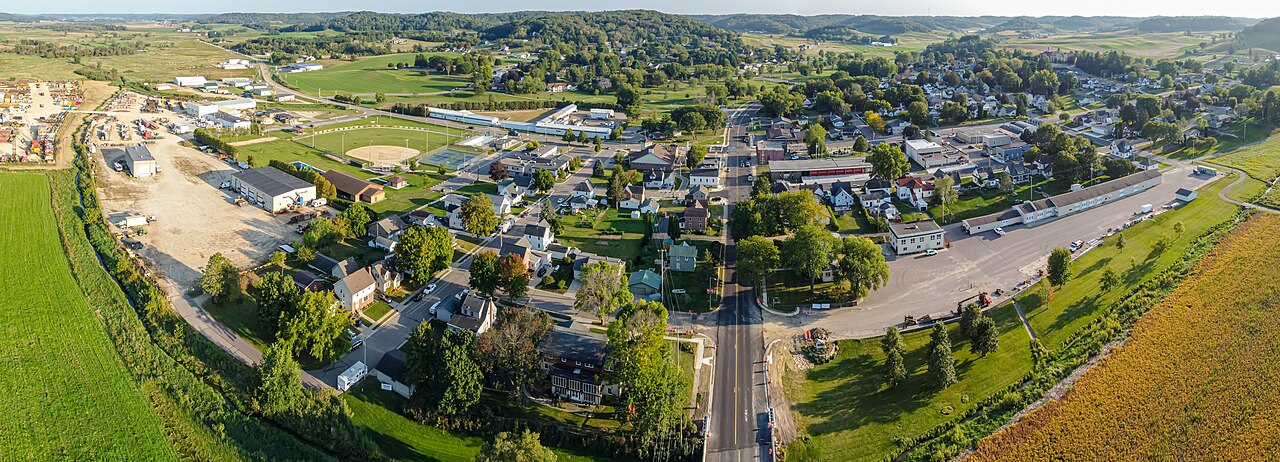
A plain, commonly known as flatland, is a flat expanse of land that generally has few rapid or steep changes in elevation. Plains occur as lowlands along valleys or at the base of mountains, as coastal plains, and as plateaus or uplands. They are one of the major landforms on earth, present on all continents and covering more than one-third of the world's land area.
- field
- Geography
- known_for
- Major landform covering more than one-third of Earth's land area; important for agriculture
- types
- Depositional, erosional, and structural plains
- biomes
- Grassland, steppe, savannah, tundra, and occasionally desert
Lore & Background
Plains are defined as flat expanses of land with few rapid or steep changes in elevation. They can be found as lowlands along valleys or at the base of mountains, as coastal plains, and as plateaus or uplands. In a valley, a plain is enclosed on two sides, but in other cases it may be delineated by a complete or partial ring of hills, mountains, or cliffs. Plains can be formed from flowing lava; from deposition of sediment by water, ice, or wind; or by erosion from hills or mountains. There are various types of plains. Depositional plains include abyssal plains on the ocean floor, alluvial plains formed by rivers, glacial plains formed by glaciers, lacustrine plains that were once lake beds, and lava plains. Erosional plains have been leveled by agents such as running water, rivers, wind, and glaciers, resulting in peneplains or pediplains. Structural plains are relatively undisturbed horizontal surfaces that are structurally depressed areas of the Earth. Natural vegetation on plains includes prairies, grasslands, forests, savannah, tundra, and desert biomes. Plains in many areas are important for agriculture because where soils were deposited as sediments they may be deep and fertile, and the flatness facilitates mechanization of crop production, or because they support grasslands that provide good grazing for livestock.
Reader's Guide
Plains are significant as one of the major landforms on Earth, covering more than one-third of the world's land area and present on all continents. Their flatness and fertile soils, often derived from sediment deposition, make them crucial for agriculture, supporting both crop production and livestock grazing. The variety of plains—depositional, erosional, and structural—reflects diverse geological processes, including river deposition, glacial activity, lava flows, and erosion. Plains also host multiple biomes, from grasslands and savannahs to tundra and deserts, influencing global ecosystems. Notable examples range from the Great Plains of North America and the Pampas of South America to the Indo-Gangetic Plains of Asia and the European Plain. Their role in human settlement and food production underscores their enduring importance.
Did You Know?
- Plains cover more than one-third of the world's land area.
- Plains occur on all continents.
- Plains can be formed from flowing lava, sediment deposition, or erosion.
- Biomes on plains include grassland, steppe, savannah, tundra, and occasionally desert.
Gallery
Frequently Asked Questions
Who is Plain?
A plain is a broad, nearly level stretch of land where elevation shifts only gradually rather than through steep slopes or rapid rises. It sits among the most fundamental landforms on Earth and can appear as lowland near valleys, coastal strips, or elevated plateaus.
What are Plain's powers/role?
Plains serve as the primary surface for agriculture, supporting grassland, steppe, savannah, and tundra biomes across the globe. Their flat topography makes them ideal for farming, settlement, and transportation networks.
How does Plain's story end?
Plains don't have a single endpoint; they persist as long as the geological forces that shaped them remain in balance. Over deep time, erosion, sedimentation, or tectonic uplift can reshape or eventually eliminate a given plain.
Why is Plain important?
Plains cover more than one-third of all land area on Earth and are present on every continent, making them one of the dominant surface features. Their vast, workable terrain underpins global food production and human civilization.
What types of Plain exist?
Geologists classify plains into three main categories: depositional (built up by sediment), erosional (carved down by weathering and water), and structural (formed by tectonic tilting or subsidence). Each type reflects a different geological process that produced the flat surface.
More in Geology & Earth Surface 1-23
Spotted an error? Know more?
This is a living reference — every entry is fact-audited, and reader corrections feed straight into our audit queue. Suggest an edit · See this site's audit record