
Sandstone
Clastic sedimentary rock composed mainly of sand-sized silicate grains.

Douglas W. Jones · CC0
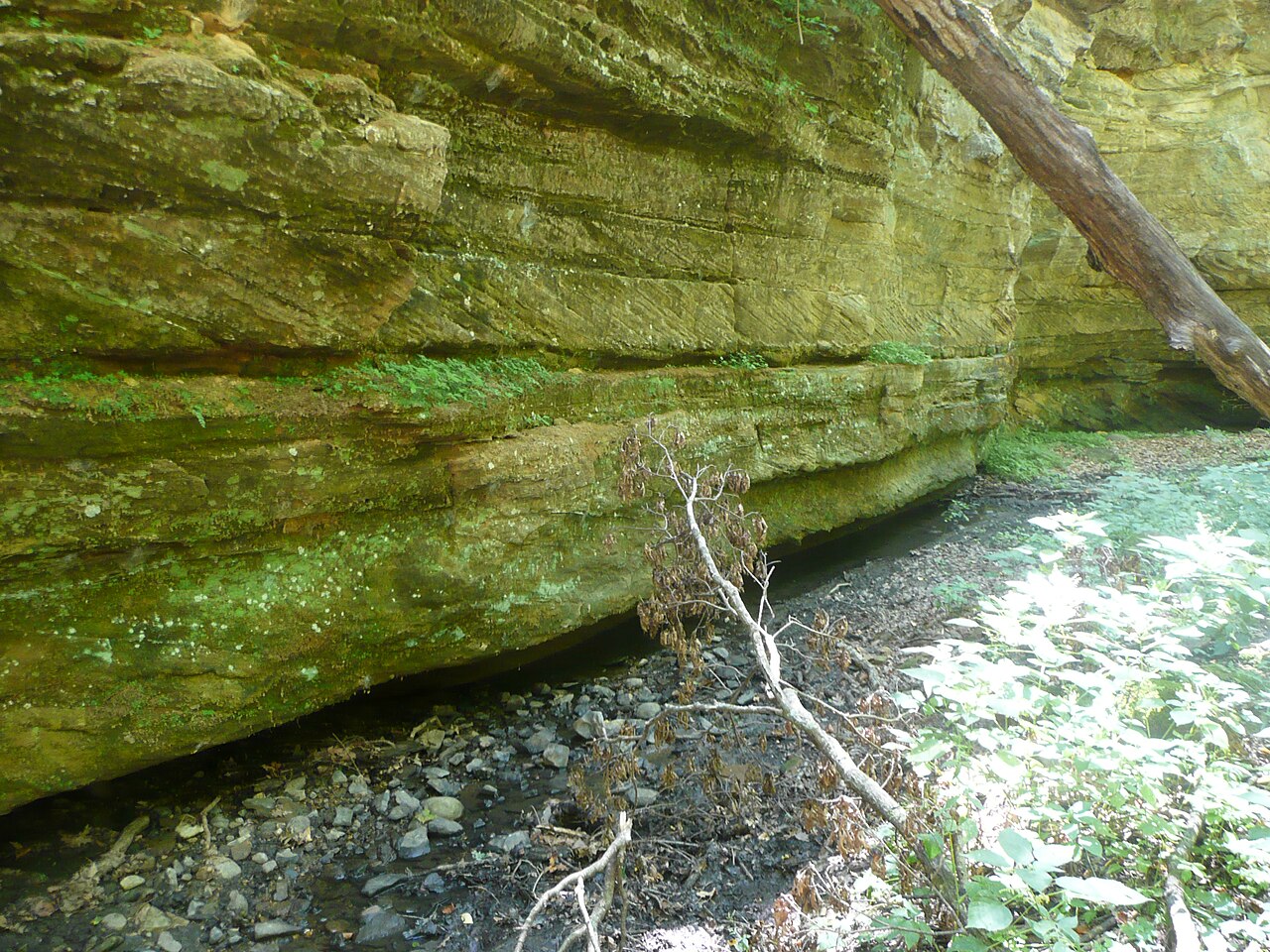
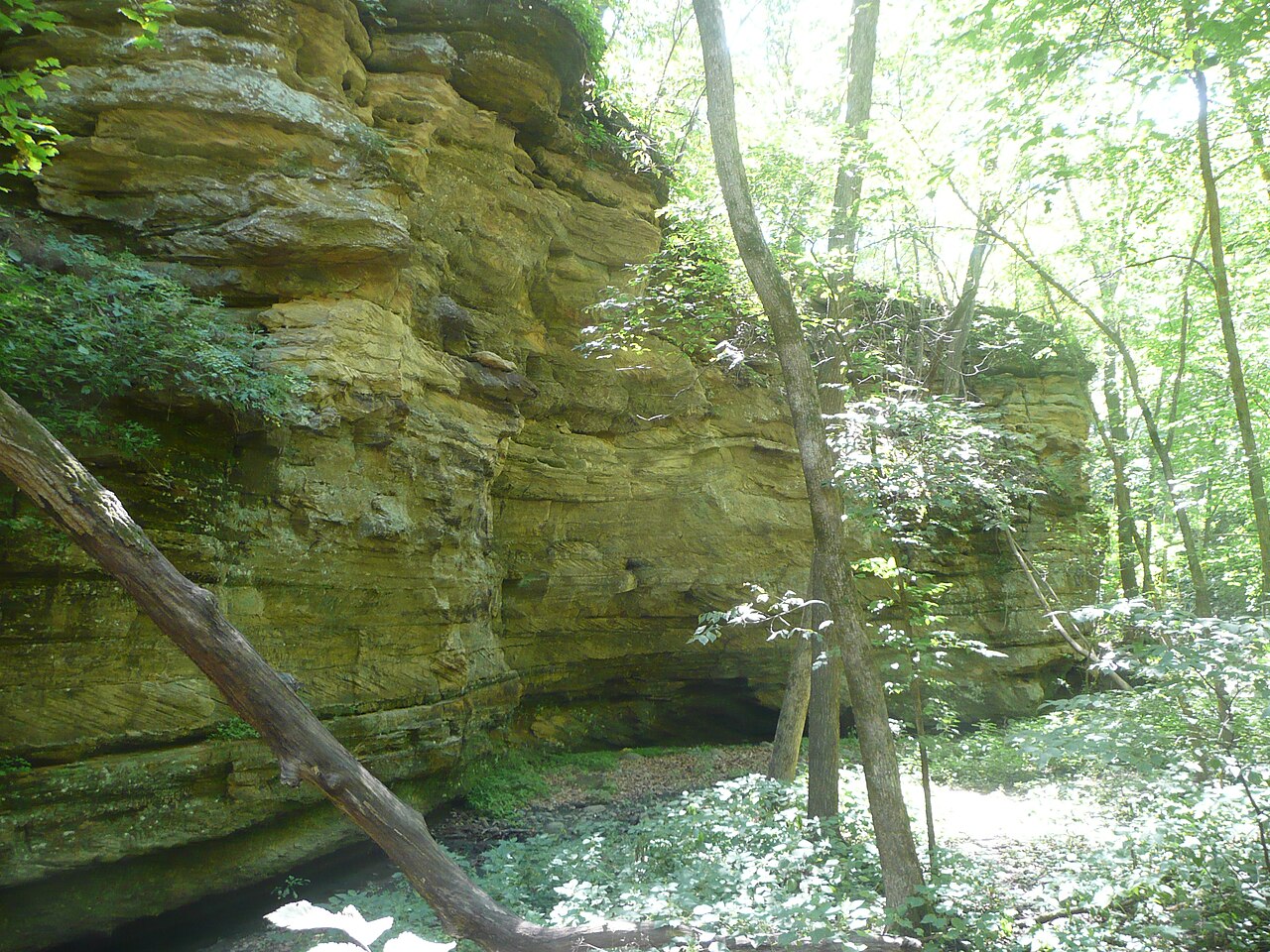
Sandstones comprise about 20–25% of all sedimentary rocks. Most sandstone is composed of quartz or feldspar because they are the most resistant minerals to weathering processes at the Earth's surface. Sandstone beds can form highly visible cliffs and other topographic features, and certain colors have become strongly identified with specific regions, such as the red rock deserts of Arches National Park and other areas of the American Southwest.
- composition
- Clastic sedimentary rock of sand-sized silicate grains
- abundance
- 20–25% of all sedimentary rocks
- common_colors
- Tan, brown, yellow, red, grey, pink, white, black
- common_minerals
- Quartz and feldspar
- key_property
- Porous and permeable, valuable as aquifers and petroleum reservoirs
Lore & Background
Sandstones are clastic in origin, formed from silicate sand grains produced by physical and chemical weathering of bedrock. Weathering and erosion are most rapid in areas of high relief, such as volcanic arcs, areas of continental rifting, and orogenic belts. Eroded sand is transported by rivers or wind to depositional environments where tectonics has created accommodation space. As sediments accumulate, older sand is buried and undergoes diagenesis, which includes compaction and lithification. Early diagenesis (eogenesis) occurs at shallow depths and is characterized by bioturbation and mineralogical changes; the red hematite that gives red bed sandstones their color likely forms during this stage. Deeper burial (mesogenesis) involves most compaction and lithification, with mechanical compaction primarily at depths less than 1,000 meters and chemical compaction continuing to 2,000 meters. Most cementation takes place at depths of 2,000–5,000 meters. Unroofing of buried sandstone is accompanied by telogenesis, where renewed exposure to meteoric water can dissolve some cement to produce secondary porosity.
Reader's Guide
Sandstone is significant as a major component of the Earth's sedimentary rock record, comprising about 20–25% of all sedimentary rocks. Its porosity and permeability make it valuable as an aquifer for groundwater and as a reservoir rock for petroleum. The rock's framework grains are predominantly quartz and feldspar, which are resistant to weathering, and its color can vary widely due to impurities. Sandstone formations create prominent topographic features, such as the red rock cliffs of the American Southwest, which have become iconic landscapes. The diagenetic processes that transform sand into sandstone—compaction, cementation, and pressure solution—are well understood and occur at specific depth ranges. Sandstone can also undergo metamorphism to become quartzite. The classification of sandstone into arenites (clean) and wackes (with matrix) depends on the amount of fine material in pore spaces. Its study aids in understanding sedimentary environments, tectonic settings, and Earth's surface processes.
Did You Know?
- Sandstones comprise about 20–25% of all sedimentary rocks.
- Most sandstone is composed of quartz or feldspar because they are the most resistant minerals to weathering.
- The red hematite that gives red bed sandstones their color is likely formed during early diagenesis (eogenesis).
- Quartz-bearing sandstone can be changed into quartzite through metamorphism, usually related to tectonic compression within orogenic belts.
Gallery
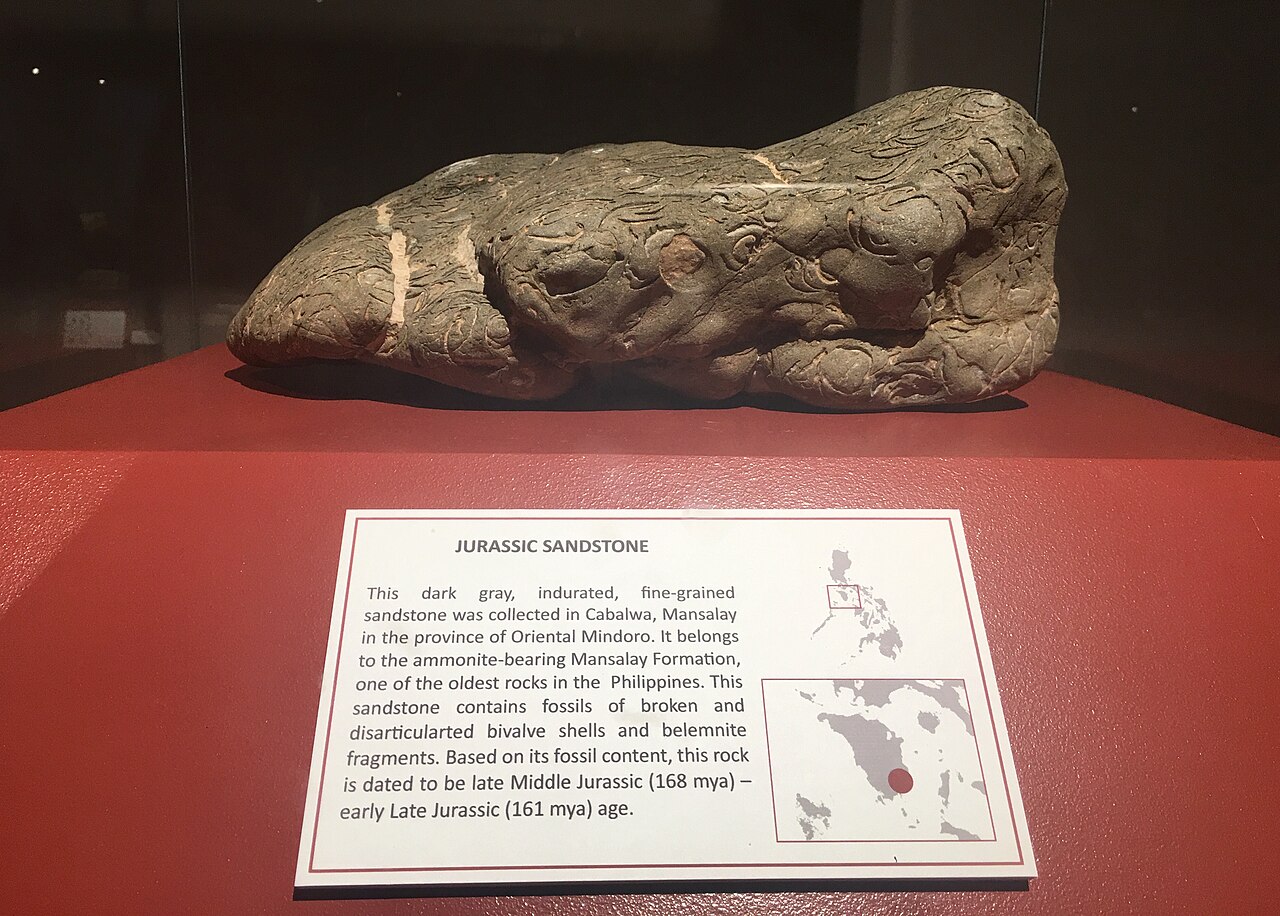
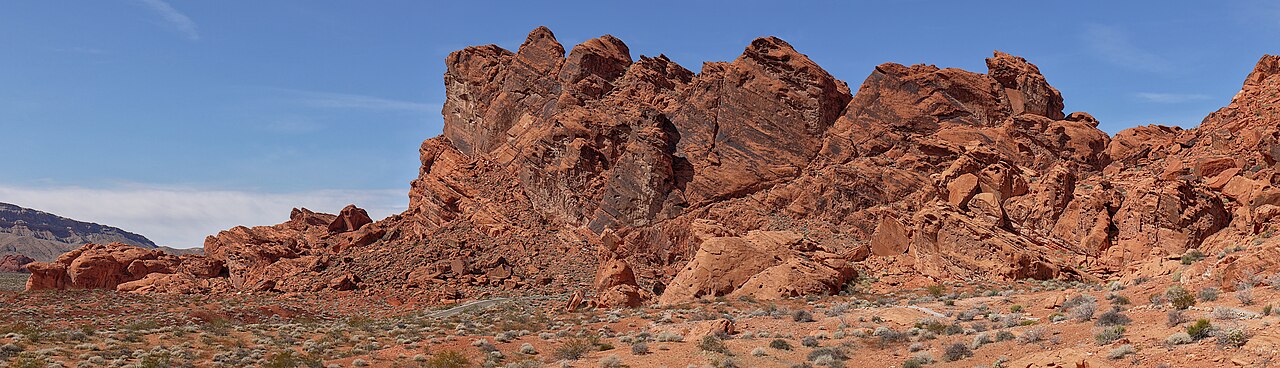
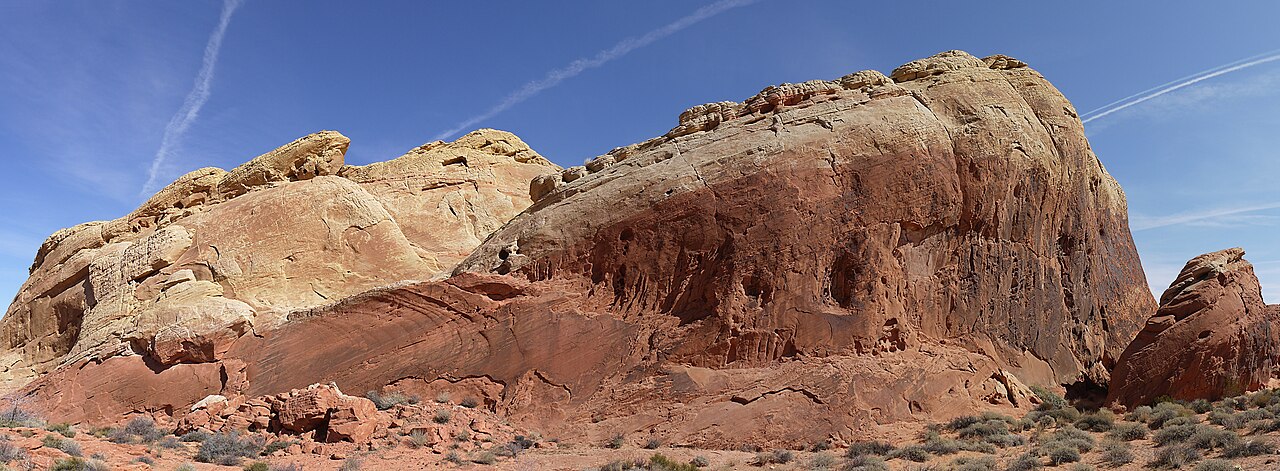
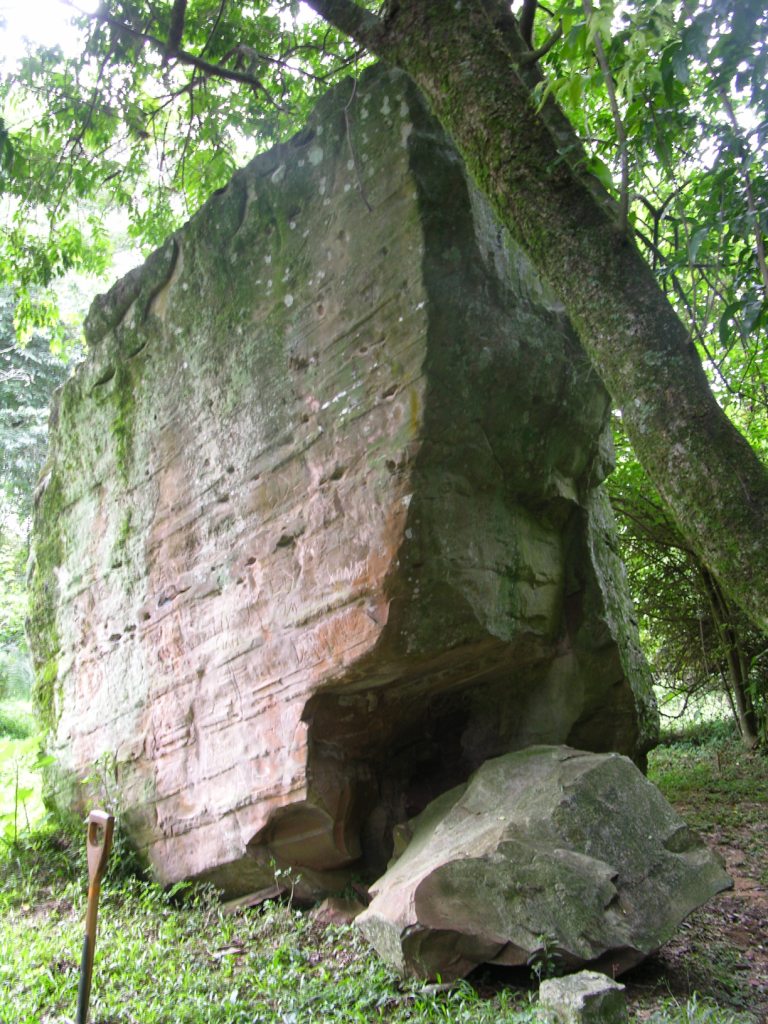
Frequently Asked Questions
What exactly is Sandstone in the Geology & Earth Surface series?
Sandstone is a clastic sedimentary rock built from sand-sized silicate grains that have been compacted and cemented together over deep geological time. It makes up roughly 20–25% of every sedimentary rock outcrop you encounter on Earth.
Why does Sandstone dominate the sedimentary rock record?
Quartz and feldspar, the two minerals that form the bulk of most sandstone, are the most weathering-resistant minerals at the surface, so sand-sized grains of them survive transport and accumulation far better than less durable minerals. This gives sandstone a natural abundance advantage over other grain-size classes.
What are Sandstone's key practical properties?
Its inter-grain porosity and permeability make it one of the most important natural aquifers and petroleum reservoirs on the planet. Engineers and hydrologists rely on those same open pore spaces to store and transmit groundwater or hydrocarbons.
Where does Sandstone create the most dramatic landscapes?
Sandstone beds erode into highly visible cliffs, arches, and other bold topographic features. In the American Southwest, its vivid red coloration has become the visual signature of places like Arches National Park and surrounding desert regions.
What color palette does Sandstone cover?
Depending on the cementing minerals and trace impurities trapped between grains, sandstone can appear tan, brown, yellow, red, grey, pink, white, or even black. That wide range is one reason certain hues have become strongly associated with specific geographic regions.
More in Geology & Earth Surface 1-23
Spotted an error? Know more?
This is a living reference — every entry is fact-audited, and reader corrections feed straight into our audit queue. Suggest an edit · See this site's audit record