
Schist
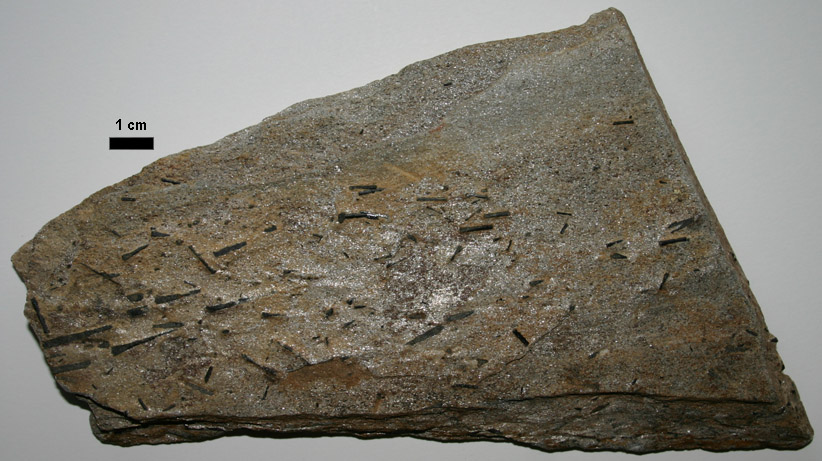
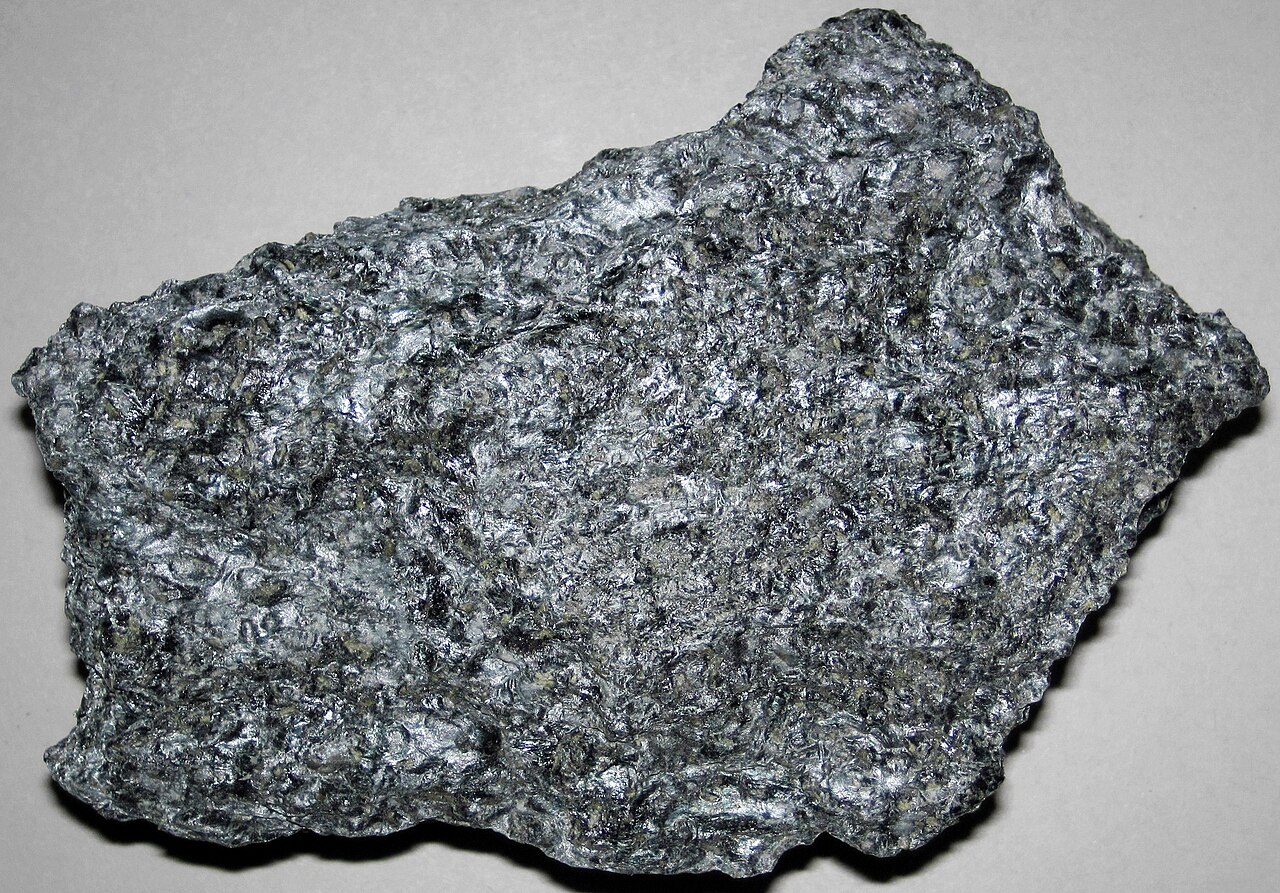
Medium-grained metamorphic rock with pronounced schistosity.

James St. John · CC BY 2.0
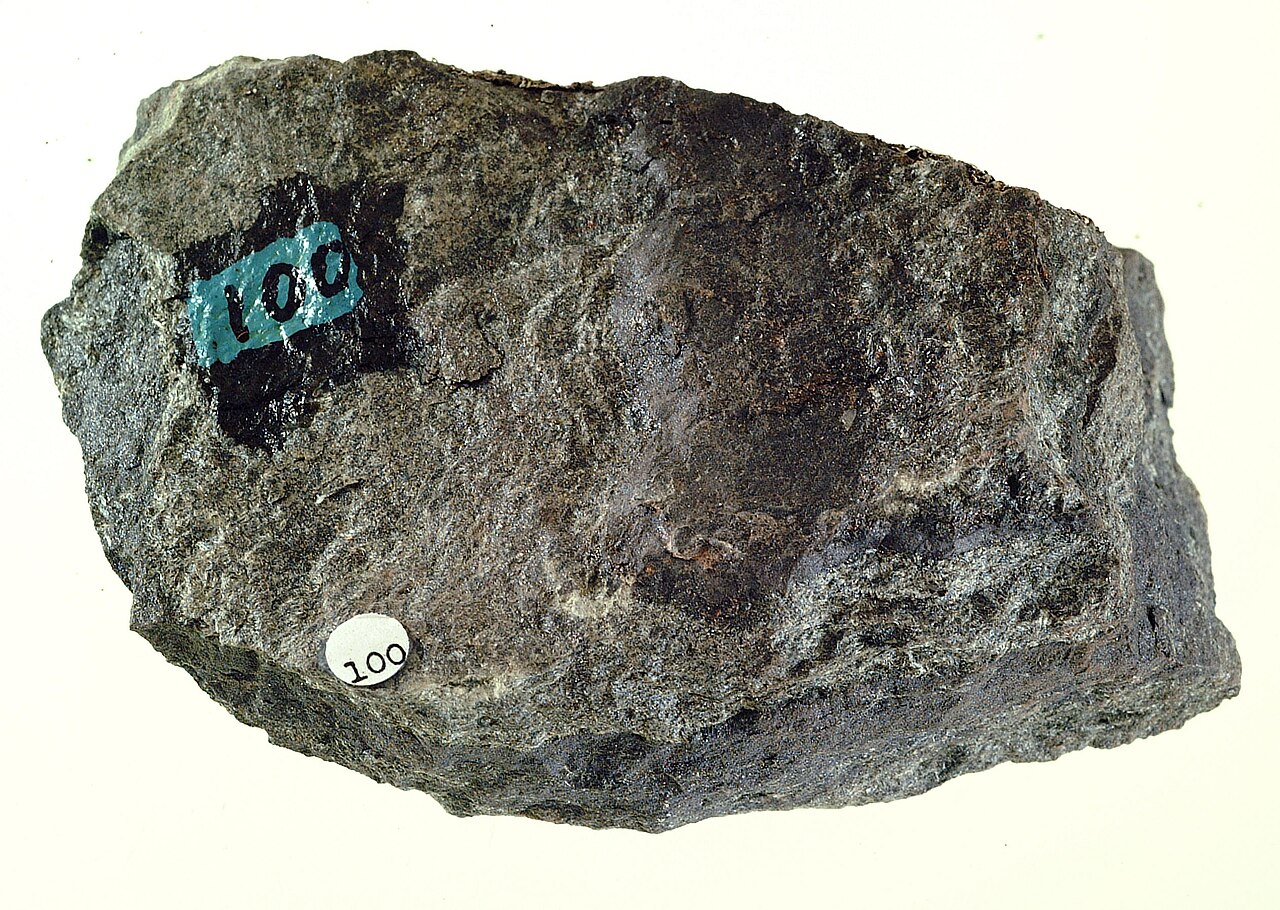
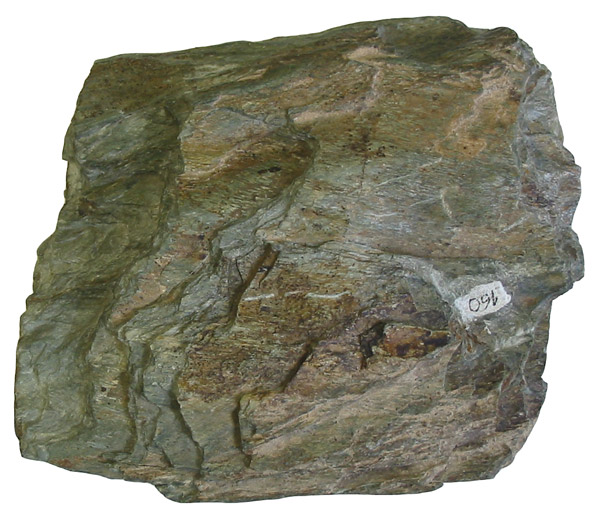
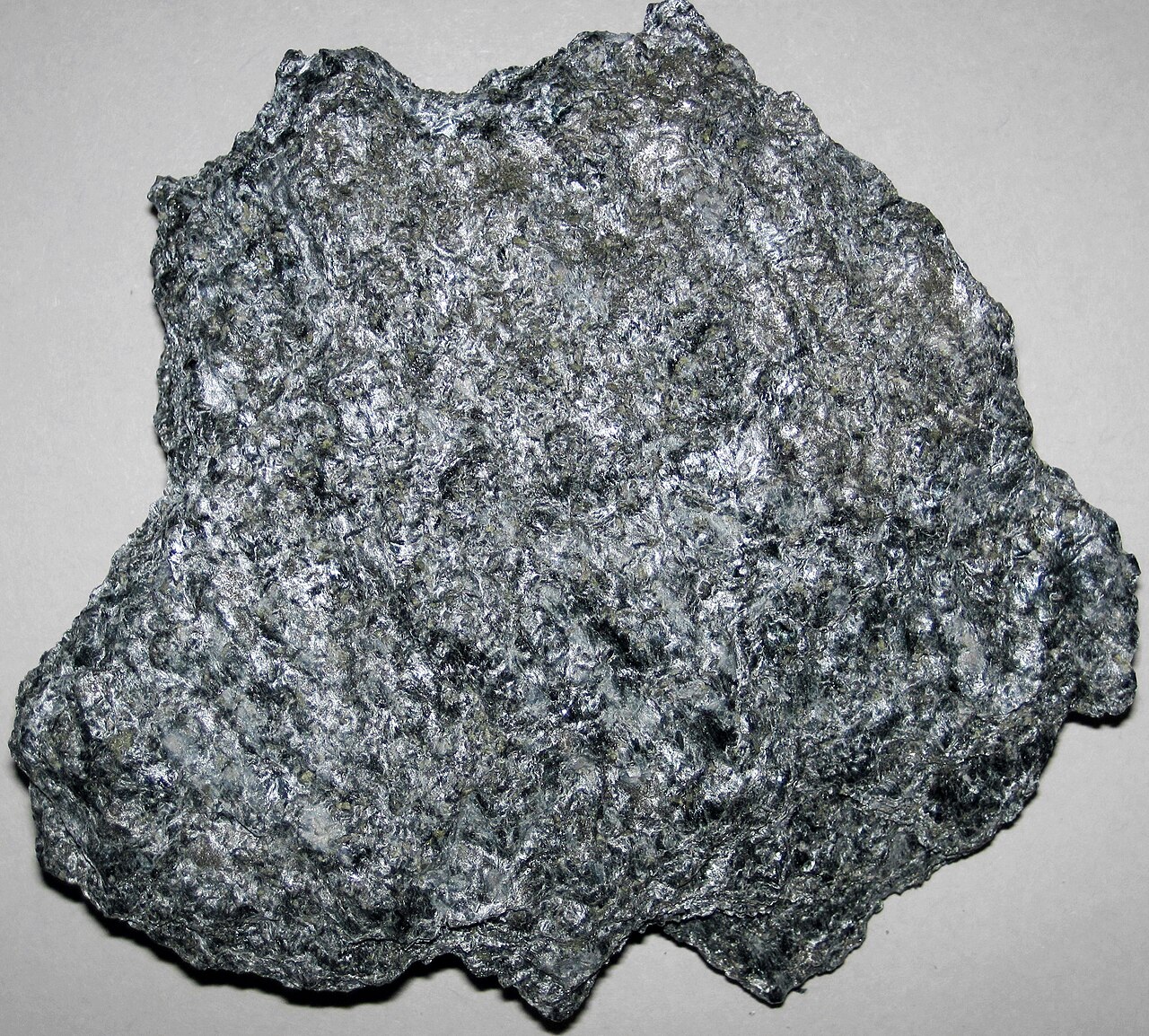
Schist is a medium-grained metamorphic rock that exhibits pronounced schistosity, a foliation allowing it to be easily split into thin flakes or plates. It typically forms during regional metamorphism associated with mountain building (orogeny) and reflects a medium grade of metamorphism. Schist is defined by its texture rather than composition, and its mineral grains are easily seen with a low-power hand lens.
- type
- Metamorphic rock
- grain_size
- 0.25 to 2 millimeters
- key_texture
- Schistosity (pronounced foliation)
- common_minerals
- Mica, talc, chlorite, graphite, feldspar, quartz
- formation_setting
- Regional metamorphism during orogeny
- protolith_examples
- Shale, mudstone, tuff, ultramafic igneous rocks
Lore & Background
Schist derives its name from the Greek word σχίζειν (schízein), meaning 'to split,' referencing the ease with which it splits along planes of platy minerals. Before the mid-19th century, terms like slate, shale, and schist were not sharply differentiated by miners. Geologists now define schist as a medium-grained metamorphic rock with well-developed schistosity, where mineral grains are typically 0.25 to 2 millimeters in size and over half show a preferred orientation. Schistosity develops perpendicular to the direction of greatest compression during regional metamorphism, as platy minerals are rotated or recrystallized into parallel layers.
Reader's Guide
Schist is significant as one of the three main textural divisions of metamorphic rock, alongside gneiss and granofels. Schist can form from various protoliths, including sedimentary rocks like mudstone and igneous rocks like tuffs, and is named based on mineral content or protolith when known. The rock's ability to host porphyroblasts of minerals such as garnet, staurolite, or kyanite makes it important for studying metamorphic conditions. Its legacy lies in its use as a key indicator of medium-grade metamorphism and its impact on geotechnical stability.
Did You Know?
- Schist is named from the Greek word σχίζειν (schízein), meaning 'to split.'
- Schistosity permits the rock to be split into flakes or slabs less than 5 to 10 millimeters thick.
- A magnitude 7.2 earthquake destabilized a schist mountain slope near Hebgen Lake, Montana, causing a landslide that killed 26 people.
- Schist can contain porphyroblasts of distinctive minerals such as garnet, staurolite, kyanite, sillimanite, or cordierite.
The Vishnu Schist – A Window into Deep Time
The Vishnu Schist, exposed at the very base of the Grand Canyon, stands as one of the most visually striking examples of ancient metamorphic rock in the American Southwest. Dating to roughly 1.7 to 2 billion years ago, this schist is believed to have originated as a mixture of highly metamorphosed igneous material and shale, with its parent materials tracing back to basalt, mud, and clay deposited during ancient volcanic eruptions. Over vast stretches of geological time, these originally soft sediments and volcanic fragments were subjected to intense pressure and heat, transforming them into the crystalline, banded rock now visible to visitors. Adding to the geological drama, the Zoroaster Granite—also 1.7 to 2 billion years old—represents magma that intruded into the Vishnu Schist, creating a layered record of both volcanic deposition and subsequent magmatic intrusion. Above this ancient foundation, an extensive cross-section of younger sedimentary rocks records the long history of deposition that followed the continent's formation.
Forged by Metamorphism and Tectonic Violence
Schist and the broader crystalline basement rocks it belongs to are products of repeated tectonic violence. The continental crustal rock that constitutes basement has been modified multiple times through a suite of processes: deformation, metamorphism, deposition, partial melting, and magmatism. This means that a single outcrop of schist may encode several distinct episodes of geological stress. The basement rocks are often highly metamorphosed and structurally complex, frequently crystalline in texture, and may incorporate a variety of rock types—volcanic, intrusive igneous, and metamorphic—into a single interlocking mass. Any of this material can be folded, refolded, and metamorphosed again. New igneous rock may intrude from below or form underplating layers on the underside of the crust. The majority of continental crust on Earth is estimated at one to three billion years old, and geologists theorize that at least one period of rapid continental expansion and accretion occurred during the Precambrian, further complicating the rock record.
The Deep Foundation Beneath the Sedimentary Cover
Beneath the familiar sedimentary landscapes that cover much of the Earth's continents lies a thick foundation of ancient crystalline rock, of which schist is a key component. This basement rock typically ranges from 32 to 48 kilometers in thickness, sometimes even more, forming the structural backbone of the continental crust. Above it, the sedimentary cover—sandstone, limestone, and other clastic or chemical deposits—usually forms a relatively thin veneer, though in some basins it can exceed five kilometers. The reason for this age difference lies in density and buoyancy: continental crust is light and thick enough to resist subduction, so it persists for billions of years, while denser oceanic crust is periodically recycled at subduction zones and mid-ocean ridges. This means the schist and other crystalline rocks of the basement represent some of the oldest surviving material on the planet's surface.
The Crystalline Backbone of the U.S. East Coast
The crystalline basement underlying the U.S. East Coast provides a compelling regional example of how schist and other metamorphic rocks form a continent's deep foundation. The collision welded together metamorphic and igneous terranes into the Appalachian core, creating a deep, resistant foundation that now underlies much of the Coastal Plain from Florida to New York. In the south, zircon dating from basement samples beneath the sedimentary layer reveals Neoproterozoic to Paleozoic ages consistent with an African provenance, suggesting parts of Florida's basement are exotic terranes sutured to North America. The boundary where this hard crystalline basement meets the softer, younger Coastal Plain sediments is marked by the Fall Line, where rivers drop sharply.
Gallery

Frequently Asked Questions
Who is Schist?
Schist is a medium-grained metamorphic rock defined by its distinctive foliated texture called schistosity, which lets it split readily into thin plates or flakes. Its individual mineral grains range from roughly 0.25 to 2 millimeters and are visible with a simple hand lens.
What are Schist's signature powers or role?
Its defining trait is pronounced schistosity—a planar alignment of platy minerals that gives the rock a characteristic flaky, layered appearance. This foliation is what separates schist from coarsely crystalline gneiss or finer-grained phyllite.
How does Schist come into existence?
Schist forms when protoliths such as shale, mudstone, tuff, or ultramafic igneous rock are subjected to medium-grade regional metamorphism, typically driven by the immense pressures and temperatures generated during mountain-building orogeny.
What minerals are in Schist's entourage?
Common mineral companions include mica, talc, chlorite, graphite, feldspar, and quartz, though the exact assemblage depends on the original protolith composition. Schist is classified by its foliated texture rather than by any single mineral content.
Why is Schist important to the geology canon?
It serves as a key indicator of medium-grade metamorphic conditions, helping geologists reconstruct the pressure-temperature history of orogenic belts. Finding schist in a rock sequence signals that the area experienced significant tectonic compression during mountain building.
More in Geology & Earth Surface 1-23
Spotted an error? Know more?
This is a living reference — every entry is fact-audited, and reader corrections feed straight into our audit queue. Suggest an edit · See this site's audit record